Thursday, August 1, 2019

Phase I and phase II sonidegib and vismodegib clinical trials for the treatment of paediatric and adult MB patients: a systemic review and meta-analysis | Acta Neuropathologica Communications | Full Text

Phase I and phase II sonidegib and vismodegib clinical trials for the treatment of paediatric and adult MB patients: a systemic review and meta-analysis | Acta Neuropathologica Communications | Full Text

Acta Neuropathologica Communications


Phase I and phase II sonidegib and vismodegib clinical trials for the treatment of paediatric and adult MB patients: a systemic review and meta-analysis

Abstract

Background

Medulloblastoma (MB) is the most common malignant brain tumour in children but also rarely occur in adults. Sonic Hedgehog (SHH) driven MB is associated with aberrant activation of the SHH signalling pathway. SMO inhibitors, sonidegib and vismodegib, have been used as selective antagonist of the hedgehog pathway that acts by binding to SMO, and inhibits activation of the downstream hedgehog target genes. Several clinical trials investigating SMO inhibitors for the treatment of relapsed MB patients have been published.

Methods

We conducted a systemic review and meta-analysis among these Phase I and II clinical trials. The pooled effect of SMO inhibitors in relapsed MB were analysed using Reviewer Manager 5.3 software. The clinical efficacy of SMO inhibitors on SHH subtype of MB were measured by the objective response rate. The risk difference was obtained by comparing the ORR between SHH and non-SHH subtypes of MB.

Results

The five studies all had clear criteria for patient recruitment, adequate follow-up time for endpoint assessment and clear definition of tumour responses. MB patients had good compliance in the trials. The pooled objective response rate (ORR) of SMO inhibitor was 37% and 0 against SHH-driven and other MBs. The pooled ORR of sonidegib was 55% among MBSHH and 0 among MBnon-SHH subgroup. Vismodegib also had no efficacy on non-SHH subtype of MB. The sonidegib against SHH-driven MB produced the ORR 1.87-fold higher than that of vismodegib (95%CI 1.23, 6.69). Among paediatric patients, the efficacy of sonidegib was 3.67-fold higher than vismodegib (p < 0.05). A total of 320 cases received SMO inhibitor therapy and 36 cases reported grade 3/4 dose-limiting toxicity (DLT). The rate of grade 3/4 DLT was similar between patients receiving vismodegib and sonidegib (11.6% vs. 11.2%).

Conclusion

Sonidegib and vismodegib were well tolerated and demonstrated anti-tumour activity in SHH-driven paediatric and adult MB by effectively inhibiting Hh signalling. These results support the ongoing clinical trials using SMO inhibitors in combination with conventional chemotherapies for the treatment of relapsed MBSHH.


Glial pathology and retinal neurotoxicity in the anterior visual pathway in experimental autoimmune encephalomyelitis | Acta Neuropathologica Communications | Full Text

Glial pathology and retinal neurotoxicity in the anterior visual pathway in experimental autoimmune encephalomyelitis | Acta Neuropathologica Communications | Full Text

Acta Neuropathologica Communications


Glial pathology and retinal neurotoxicity in the anterior visual pathway in experimental autoimmune encephalomyelitis

Abstract

The animal model experimental autoimmune encephalomyelitis (EAE) has been used extensively in the past to test mechanisms that target peripheral immune cells for treatment of multiple sclerosis (MS). While there have been some notable successes in relapsing MS, the development of therapies for progressive multiple sclerosis (MS) has been hampered by lack of an appropriate animal model. Further, the mechanisms underlying CNS inflammation and neuronal injury remain incompletely elucidated. It is known that the MOG 35–55 EAE mouse model does not have insidious behavioral progression as occurs in people with MS, but there is significant neuronal and axonal injury in EAE, as a result of the inflammation. In the present study, we describe the time course of glial activation and retinal neurodegeneration in the EAE model, and highlight the utility of studying the anterior visual pathway for modeling mechanisms of neuronal injury that may recapitulate critical aspects of the pathology described in people with MS following optic neuritis and subclinical optic neuropathy. We show that A1 neurotoxic astrocytes are prevalent in optic nerve tissue and retina, and are associated with subsequent RGC loss in the most commonly used form of the EAE model induced by MOG 35–55 peptide in C57/B6 mice. We developed a semi-automatic method to quantify retinal ganglion cells (RGC) and show that RGCs remain intact at peak EAE (PID 16) but are significantly reduced in late EAE (PID 42). Postsynaptic proteins and neurites were also compromised in the retina of late EAE mice. The retinal pathology manifests weeks after the microglial and astrocyte activation, which were prominent in optic nerve tissues at PID 16. Microglia expressed iNOS and had increased gene expression of C1q, TNF-α, and IL-1α. Astrocytes expressed high levels of complement component 3 and other genes associated with A1 neurotoxic astrocytes. Our data suggest that EAE can be used to study the pathobiology of optic neuropathy and to examine the preclinical neuroprotective effects of drugs that target activation of neurotoxic A1 astrocytes.

A soluble tau fragment generated by caspase-2 is associated with dementia in Lewy body disease | Acta Neuropathologica Communications | Full Text

A soluble tau fragment generated by caspase-2 is associated with dementia in Lewy body disease | Acta Neuropathologica Communications | Full Text


Acta Neuropathologica Communications

A soluble tau fragment generated by caspase-2 is associated with dementia in Lewy body disease

Abstract

Lewy body diseases are neurodegenerative disorders characterized by Lewy bodies in the brain. Lewy body dementia (LBD) refers to two forms of Lewy body disease: Parkinson’s disease with dementia (PDD) and dementia with Lewy bodies (DLB). Tau is a cytoskeletal protein found in neurofibrillary tangles, but not Lewy bodies. The gene encoding tau, MAPT, is a well-established genetic risk factor for LBD; odds ratios of the H1:H2 MAPT haplotypes have been reported in the range of 2 to 4. Despite this genetic association, the mechanism by which tau contributes to dementia is unclear. Recently, a soluble form of tau, Δtau314, which is generated when caspase-2 (Casp2) cleaves tau at Asp314, was reported to be associated with impaired cognition in mice modeling frontotemporal dementia, and with mild cognitive impairment and Alzheimer’s disease (AD) in humans. To investigate whether Δtau314 is associated with dementia in Lewy body disease, we compared Δtau314 levels in aqueous extracts from the superior temporal gyrus of pathologically confirmed LBD (n = 21) and non-dementia Parkinson’s disease (PD) (n = 12). We excluded subjects with AD or microvascular pathology, which could mask potential associations of Δtau314 with LBD.
Using a Δtau314-specific ELISA, we found ~ 2-fold higher levels of Δtau314 in LBD relative to PD (p = 0.009). Additionally, we found ~40% lower levels of soluble total tau and the neuronal marker β-III-tubulin in LBD. These results suggest that in LBD, there is substantial neuron loss or axonal degeneration in the neocortex but disproportionately high levels of Δtau314 in the surviving neurons.
Our results indicate an association between Δtau314 and dementia in Lewy body disease. Cleavage of tau by Casp2 promotes the mislocalization of tau to dendritic spines leading to a reduction in postsynaptic AMPA receptors and excitatory neurotransmission, which suggests a mechanism of the synaptic dysfunction underlying cognitive impairment in LBD. These findings support the potential of Casp2 as a novel drug target for treating LBD.

A cost of illness study evaluating the burden of Wolfram syndrome in the United Kingdom | Orphanet Journal of Rare Diseases | Full Text

A cost of illness study evaluating the burden of Wolfram syndrome in the United Kingdom | Orphanet Journal of Rare Diseases | Full Text

Orphanet Journal of Rare Diseases

A cost of illness study evaluating the burden of Wolfram syndrome in the United Kingdom

Abstract

Background

Wolfram syndrome is a rare genetic, progressive, neurodegenerative disorder characterised by childhood-onset diabetes mellitus, diabetes insipidus, optic atrophy and deafness. To date, the economic burden of Wolfram syndrome has not been well-studied or reported. The aim of this study was to evaluate the cost of illness (COI) of all people with Wolfram syndrome in the UK and to identify major determinants of cost from a service provider perspective (National Health Service, NHS).

Methods

A prevalence-based approach was used to model the UK Wolfram syndrome specialist service. Model inputs were informed by a pragmatic literature review and UK reference costs, in conjunction with patient interviews and expert opinion. A deterministic sensitivity analysis (DSA) was run at 10% to identify major cost drivers.

Results

The total COI of all people with Wolfram syndrome to the NHS was £1,055,899 per year, with an average annual cost per person with Wolfram syndrome of £16,498. Costs associated with diabetes mellitus care, late-stage diabetes mellitus complications and hearing impairment contributed most to the COI (18.9, 21.4 and 15.8% of the COI, respectively). The DSA identified costs associated with hearing impairment, diabetes mellitus care and end-stage renal disease (a diabetes mellitus complication) as major model drivers.

Conclusions

The annual cost of Wolfram syndrome to the NHS was found to be substantial, with areas of potential cost savings identified, such as diabetes mellitus management. This model provides crucial information to facilitate economic evaluation of prospective therapies for this disease.

Oklahoma Ranks Lowest on Key Rare Disease Programs on NORD’s 2019 State Report Card

Oklahoma Ranks Lowest on Key Rare Disease Programs on NORD’s 2019 State Report Card

Cystic Fibrosis News Today


Oklahoma Ranks Lowest on Programs Key to Rare Diseases on NORD’s 2019 State Report Card

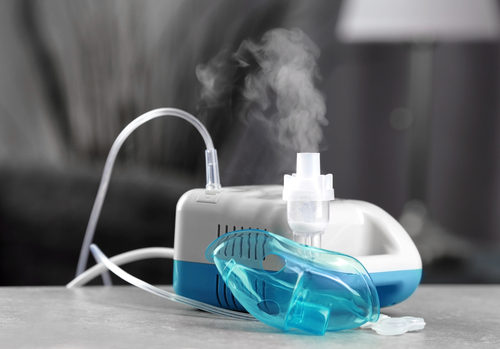
CF Patients Using Nebulizer While Lying on Sides Can Show Better Lung Deposition, Study Finds

CF Patients Using Nebulizer While Lying on Sides Can Show Better Lung Deposition, Study Finds

Cystic Fibrosis News Today


Using Nebulizer While Lying on Alternating Sides Can Better Deposit Therapy Across Lungs, Trial Finds

Wednesday, July 31, 2019

Israelis identify genes that protect cells from Zika virus | ISRAEL21c

Israelis identify genes that protect cells from Zika virus | ISRAEL21c

Israel21c


#VirusWarriors

Israelis identify genes that protect cells from Zika virus

Specific genes found to safeguard against infection as well as resuscitate infected cells, Israeli researchers say.

 JULY 29, 2019, 11:10 AM
Abigail Klein Leichman
Abigail Klein Leichman is a writer and associate editor at ISRAEL21c. Prior to moving to Israel in 2007, she was a specialty writer and copy editor at a major daily newspaper in New Jersey and has freelanced for a variety of newspapers and periodicals since 1984.